Visual stages, comparisons and decisions from the original run. Internal prompts, operating documents and downloadable implementation files are omitted. Some interactive comparisons are shown as separate images.
Drawing, under observation.
Can a system construct the figure, preserve intentional absence, and carry a structural revision into the image? These are actual local trials. The existing painter is reused as a baseline.
One subject, several mechanisms. This is a feasibility comparison—not a model leaderboard, a multi-seed study, or evidence that any method is the best available. Source names start hidden for inspection; earlier conversation previews mean this is not a controlled blind test.
Look before reading the method.
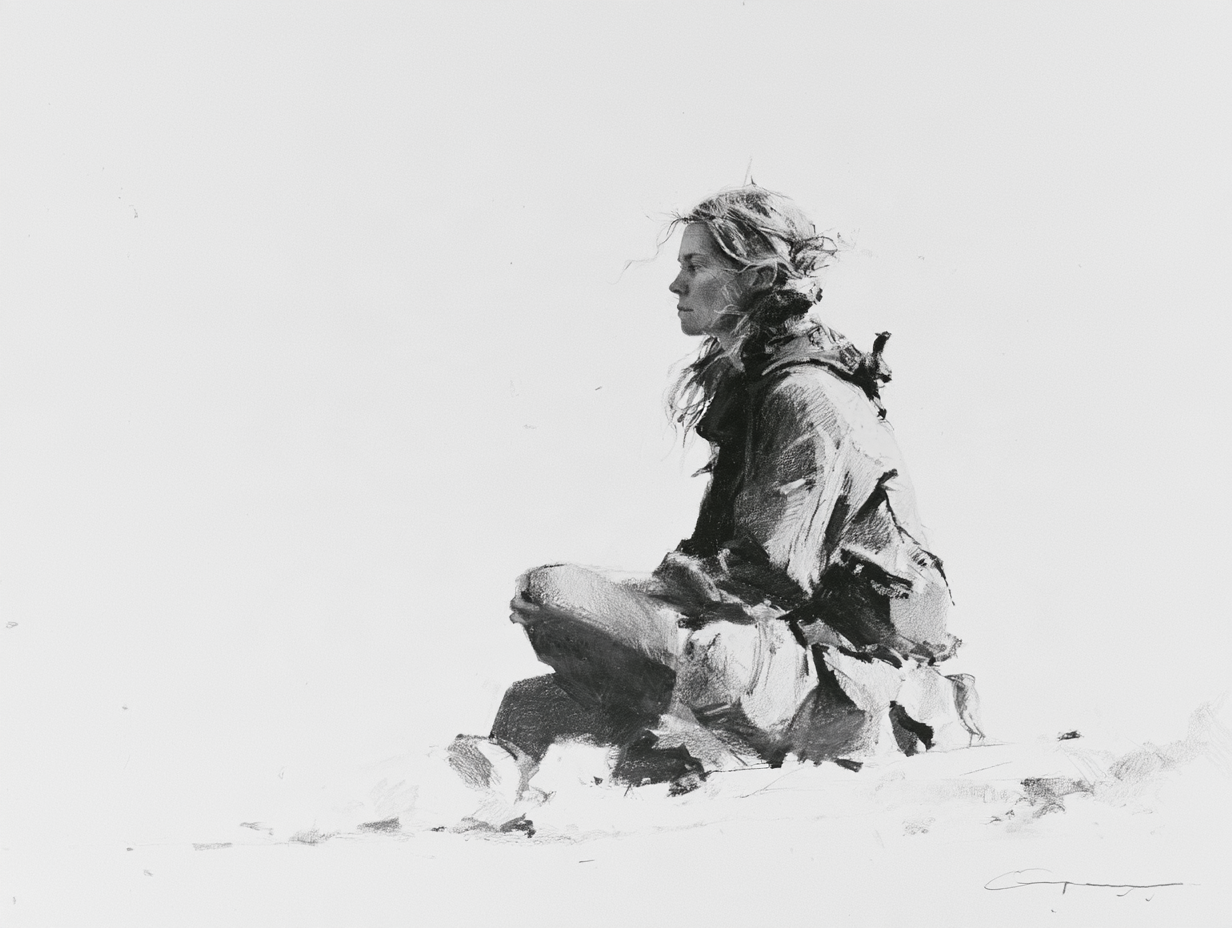
Read the relationship of the hands, the seated weight, the space around the body, and where a contour stops. A rough surface alone does not establish drawing competence.
Can the image change structurally?
The image model received a revision request: remove scenery, lift the clasped hands, open a small wedge between arms and torso, soften the face, and break the sleeve contour while retaining seated weight.
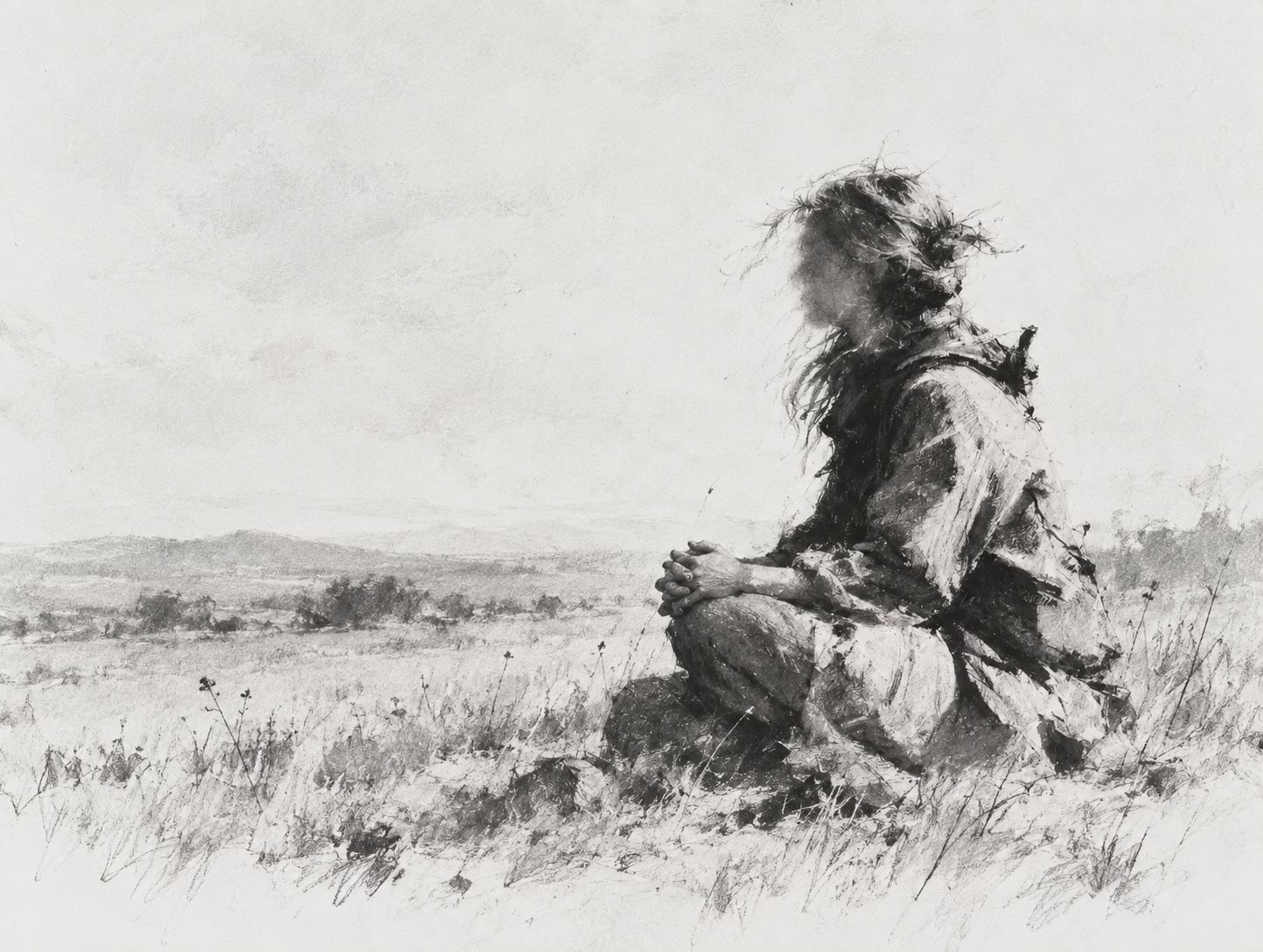
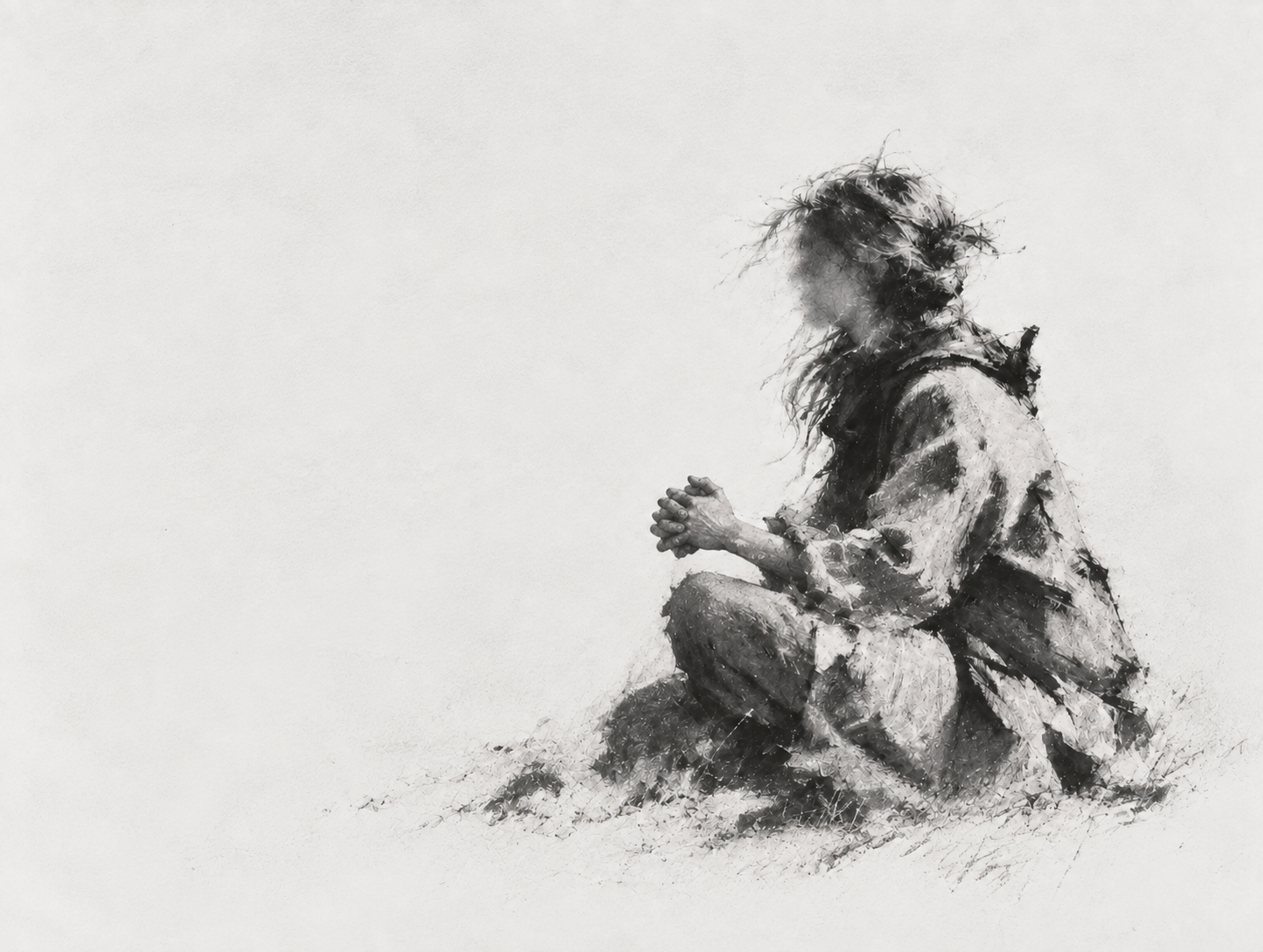
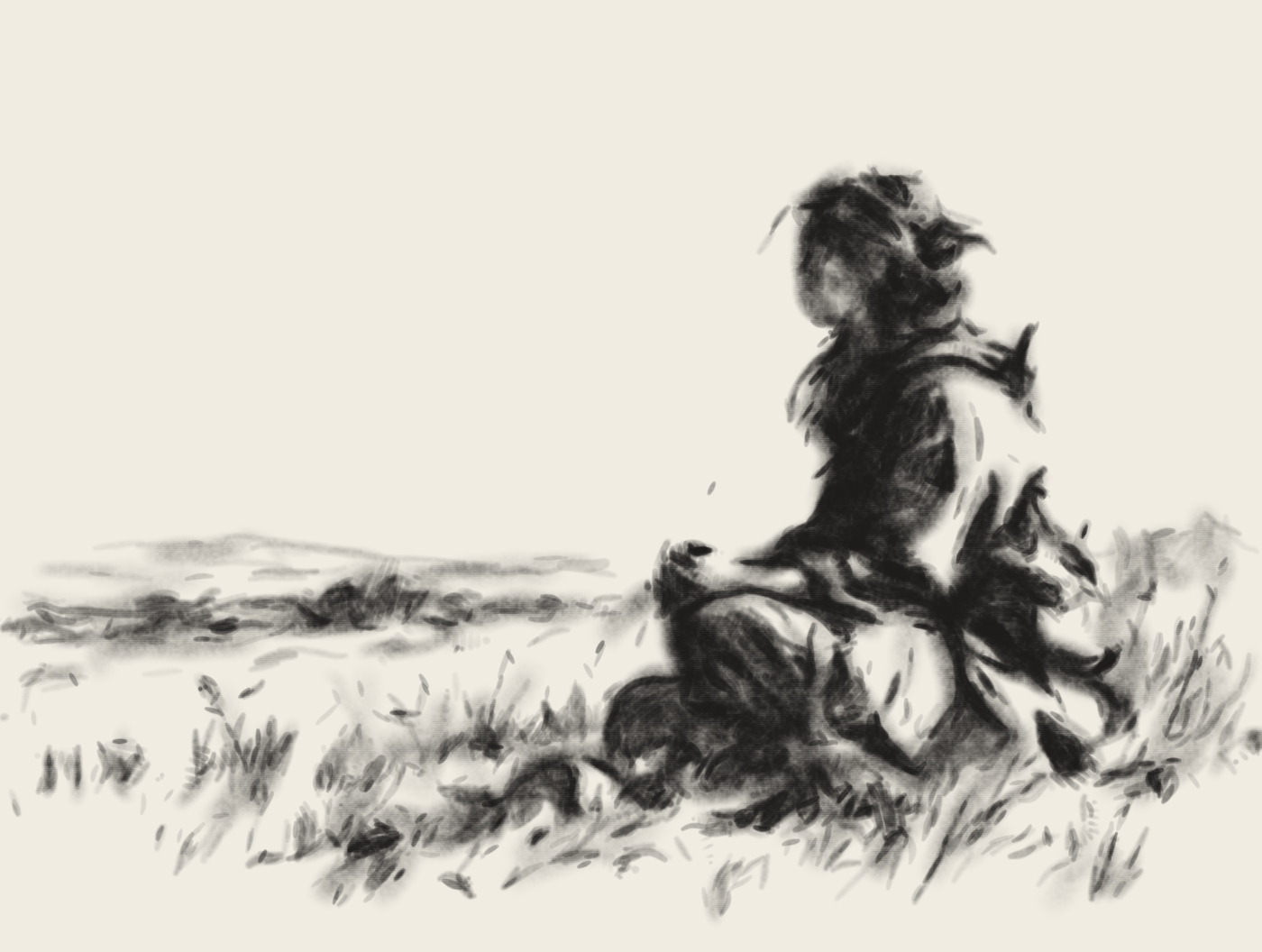
The procedural and learned vector engines do not offer equivalent language-directed revision. Supplying the revised image tests whether they can execute a new visual target. It does not demonstrate that they independently understood the critique.
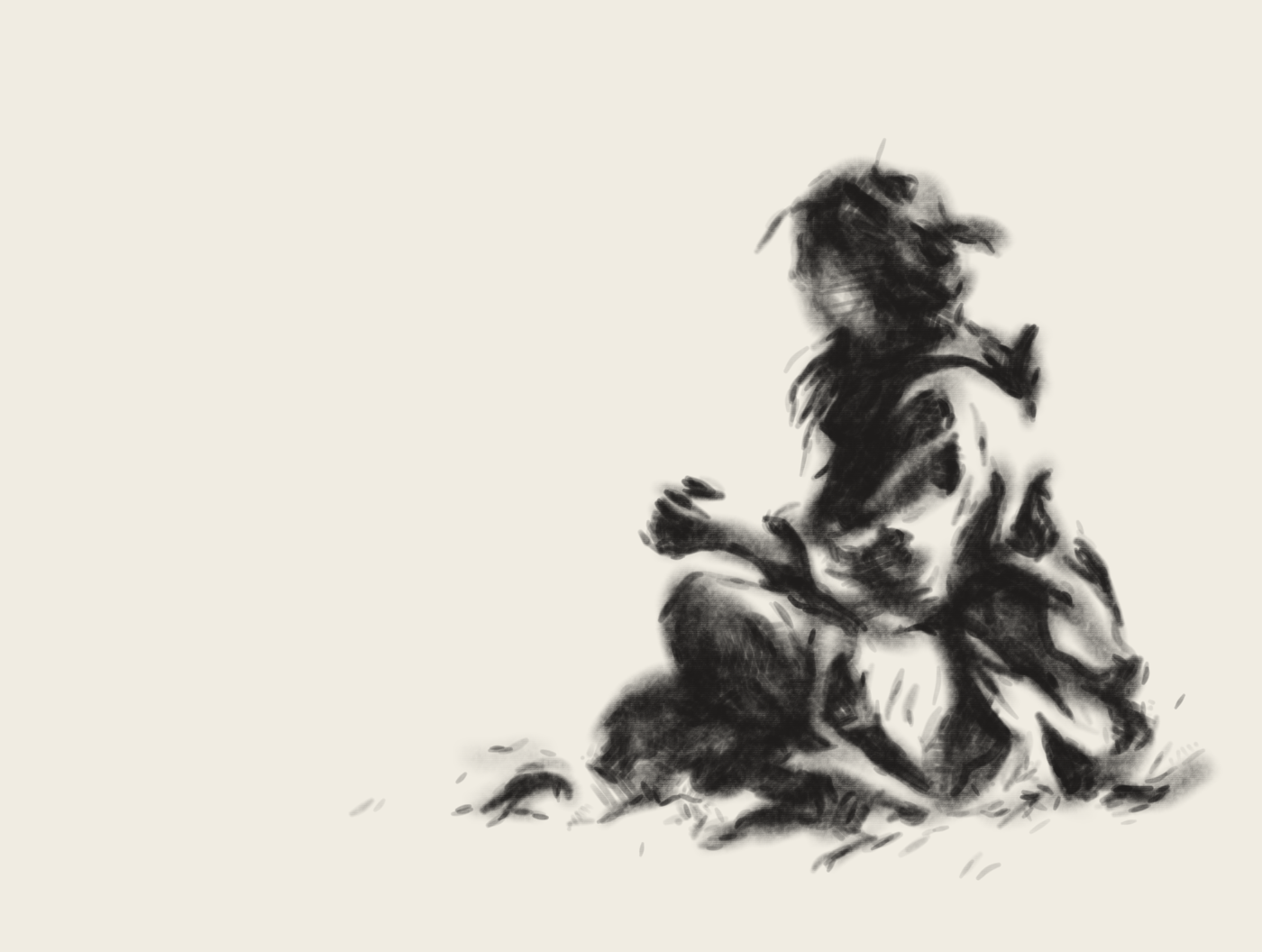
The scale test changes the diagnosis.
The same revised image, the same vocabulary, and the same restraint. In the whole-figure run the fingers occupy a small part of a 700-pixel image. In the detail run, the crop gets that entire working width. No new anatomical knowledge is added.
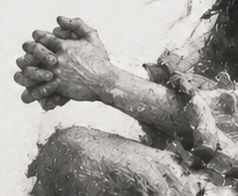
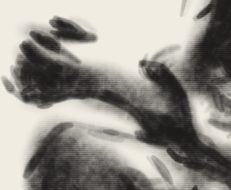
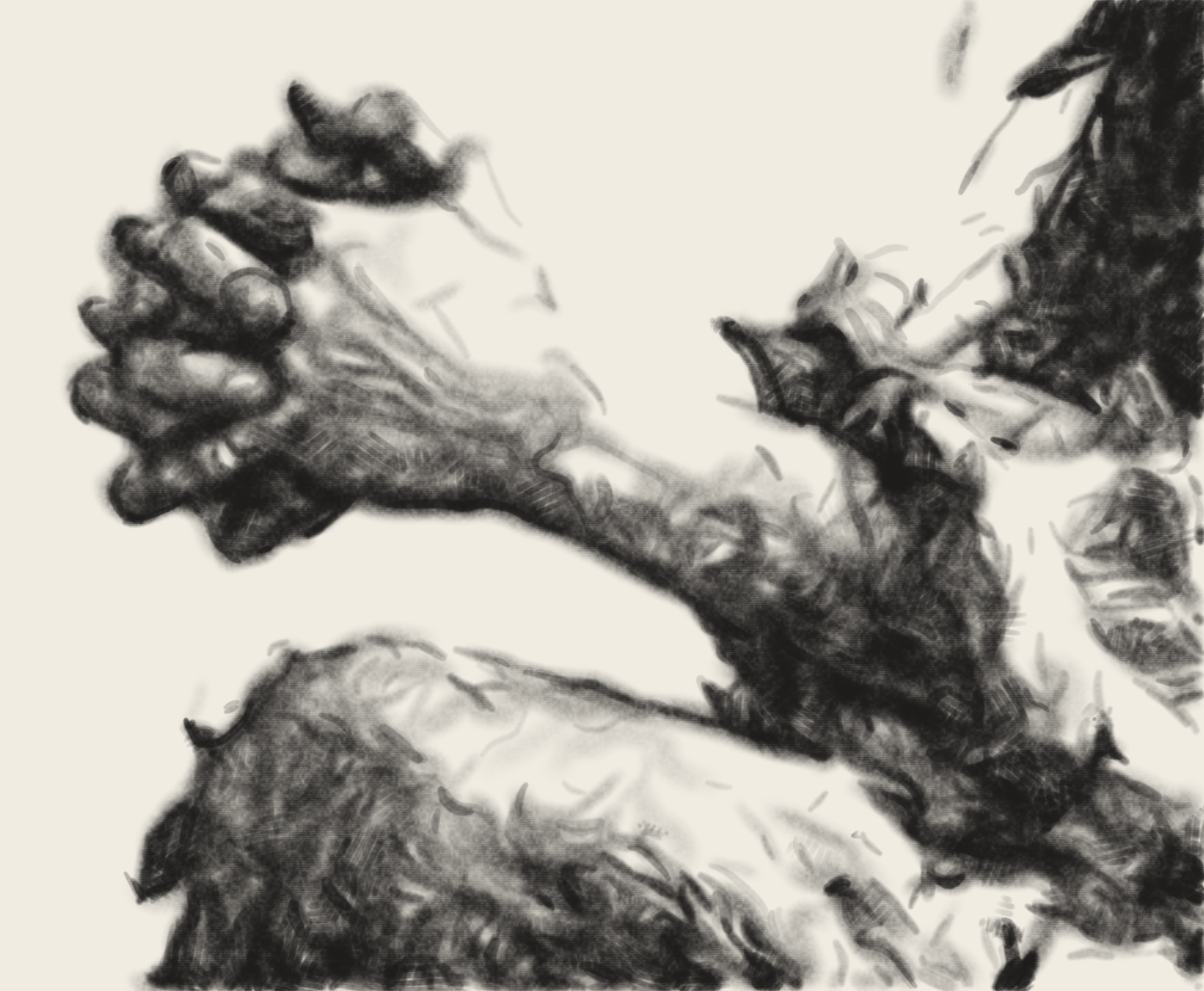
Additional repertoire check: supplied graphite hand
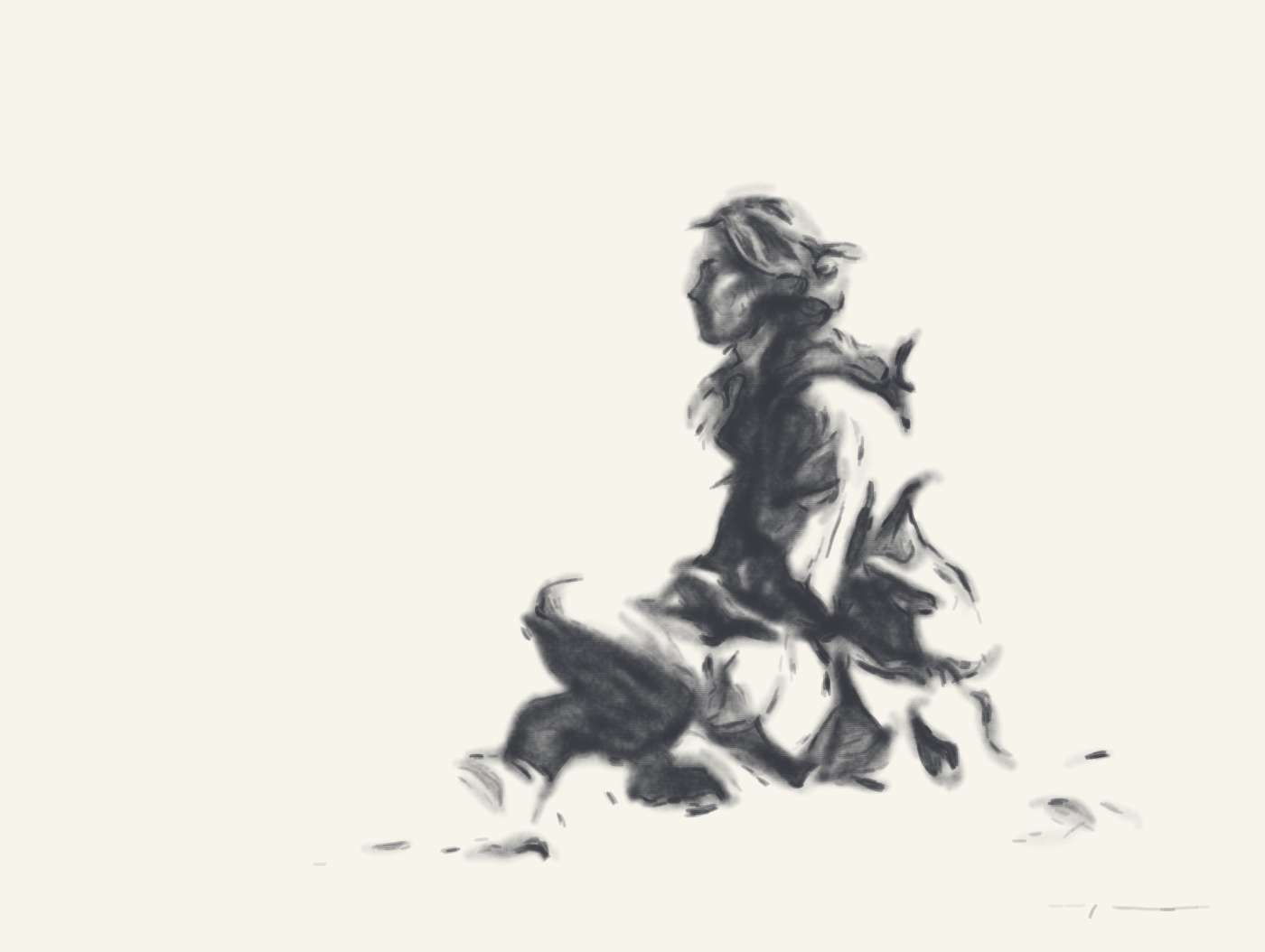
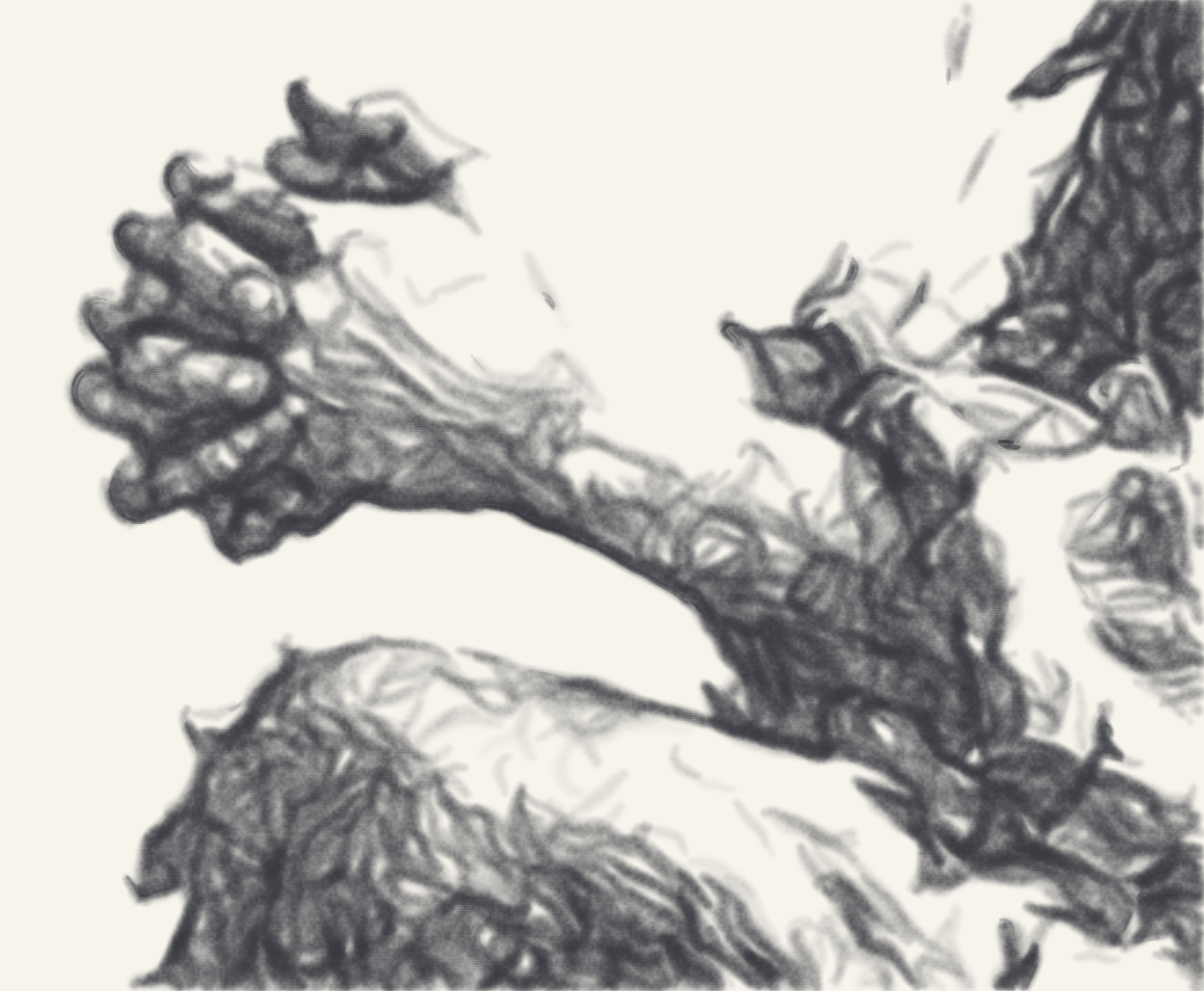
What the process records actually show.
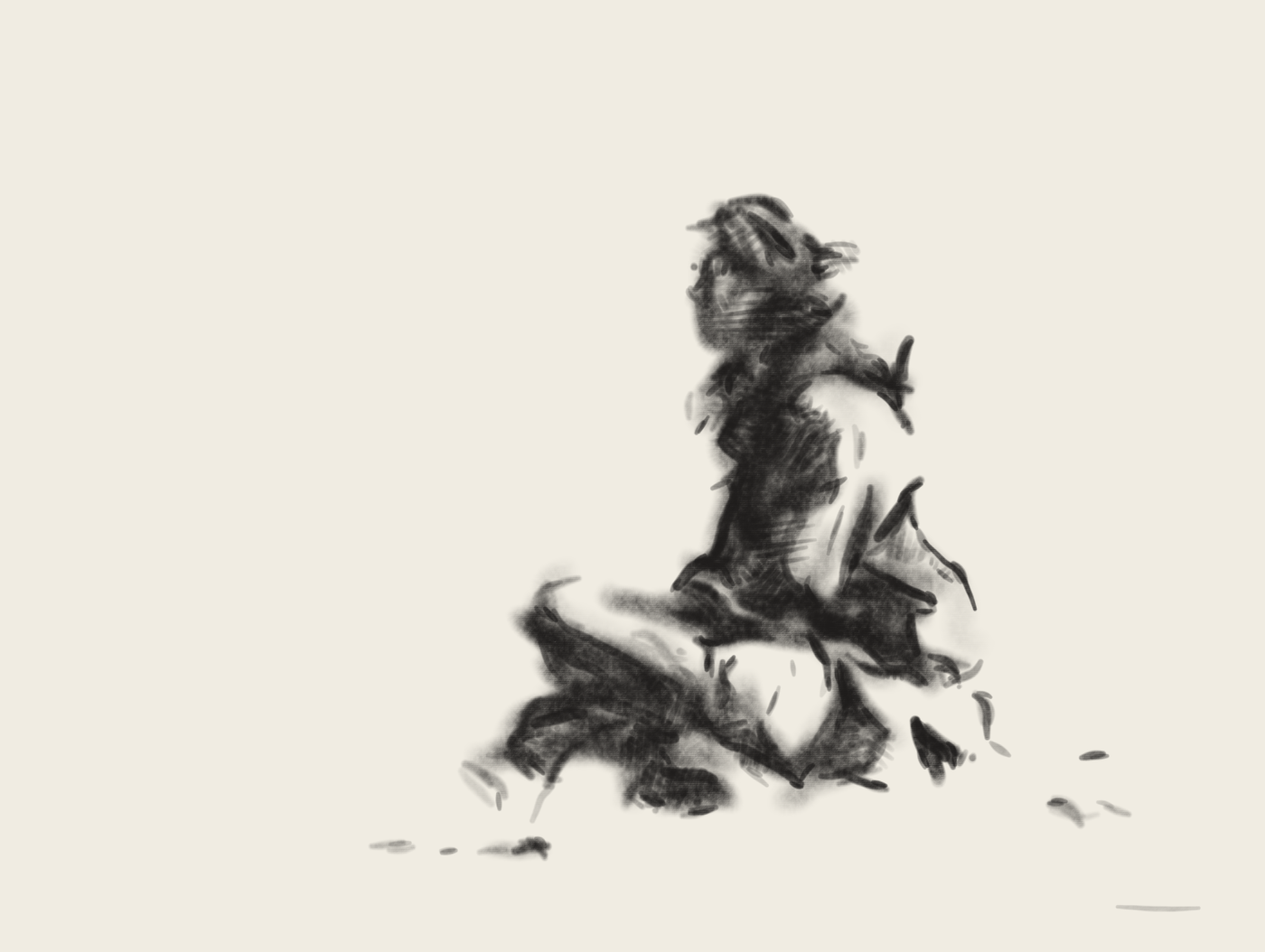
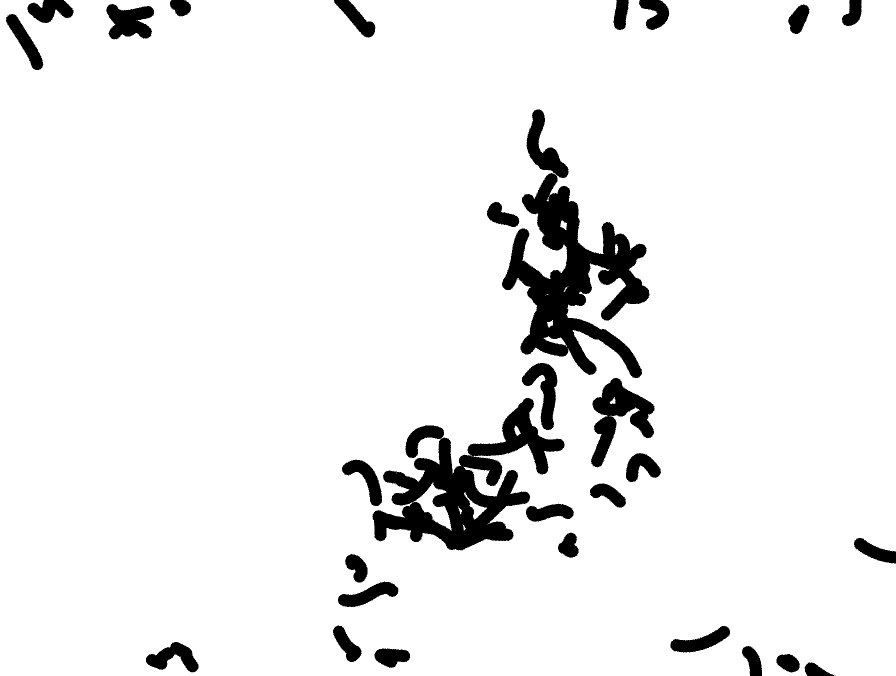
A preprocessing failure, kept visible.
The first learned-vector run treated the edge of gray reference paper against white square padding as a feature. A separate fresh run normalizes paper tone before optimization. This removes much of the artificial boundary; the result still remains a coarse line abstraction in this configuration.
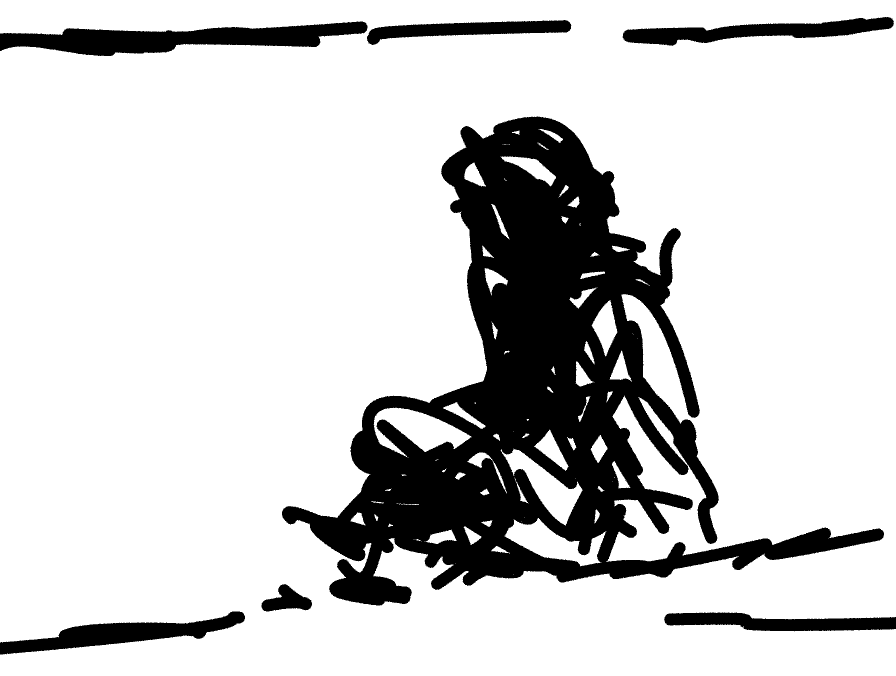
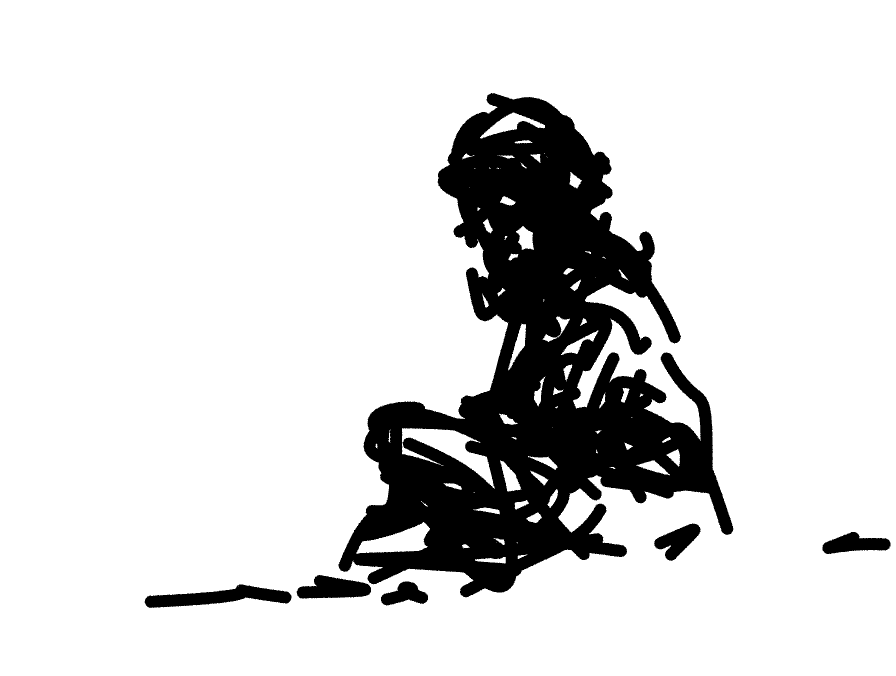
What each result establishes.
| Mechanism | Evidence | Unresolved |
|---|---|---|
| Existing painter | Editable marks and replay already exist. | Geometric authoring remained weak. No rerun. |
| Hands | Fast visual-target execution, recorded strokes, improved geometry; detail improves when it receives more working resolution. | Soft/hatch texture persists. No language understanding, autonomous construction, or structural revision. Its “likeness” score is an internal reconstruction measure. |
| Image generator | More developed anatomy and a useful structural edit. | Invented scenery; partial instruction compliance; no editable brush trajectories or material state. |
| CLIPasso | Actual optimization of editable curves using learned visual features. | Short CPU feasibility run, low working resolution, fixed-width lines. Results must be judged as this configuration, not the entire research family. |
Scope and fairness
These systems have different inputs and budgets. Hands matches pixels/edges from a fixed image. CLIPasso uses learned visual losses on that image. The generator receives both U03 and the full written brief. Existing painter output predates this experiment. We compare capabilities and failure modes, not a shared numeric score. The hand crop is a separate resolution intervention; it is not composited into the final image.
No claim of a complete survey or a chosen production replacement. Learned vector code is an older established baseline, not the newest published method. A single seed or subject cannot establish artistic defaults as a distribution.
Artifacts, provenance, and research
Official CLIPasso code · Official diffvg renderer. CLIPasso declares CC BY-NC-SA 4.0; reviewed here as a research candidate, not adopted as a commercial dependency.