Visual stages, comparisons and decisions from the original run. Internal prompts, operating documents and downloadable implementation files are omitted. Some interactive comparisons are shown as separate images.
New: tonal correction tested on these same six plans →
Does the direction
survive the instrument?
Three contrasting briefs, each with an initial plan and a critique-led revision. Six native drawings. The planned round is complete; this is not a claim that the instrument is top tier or the artistic engine finished.
The result
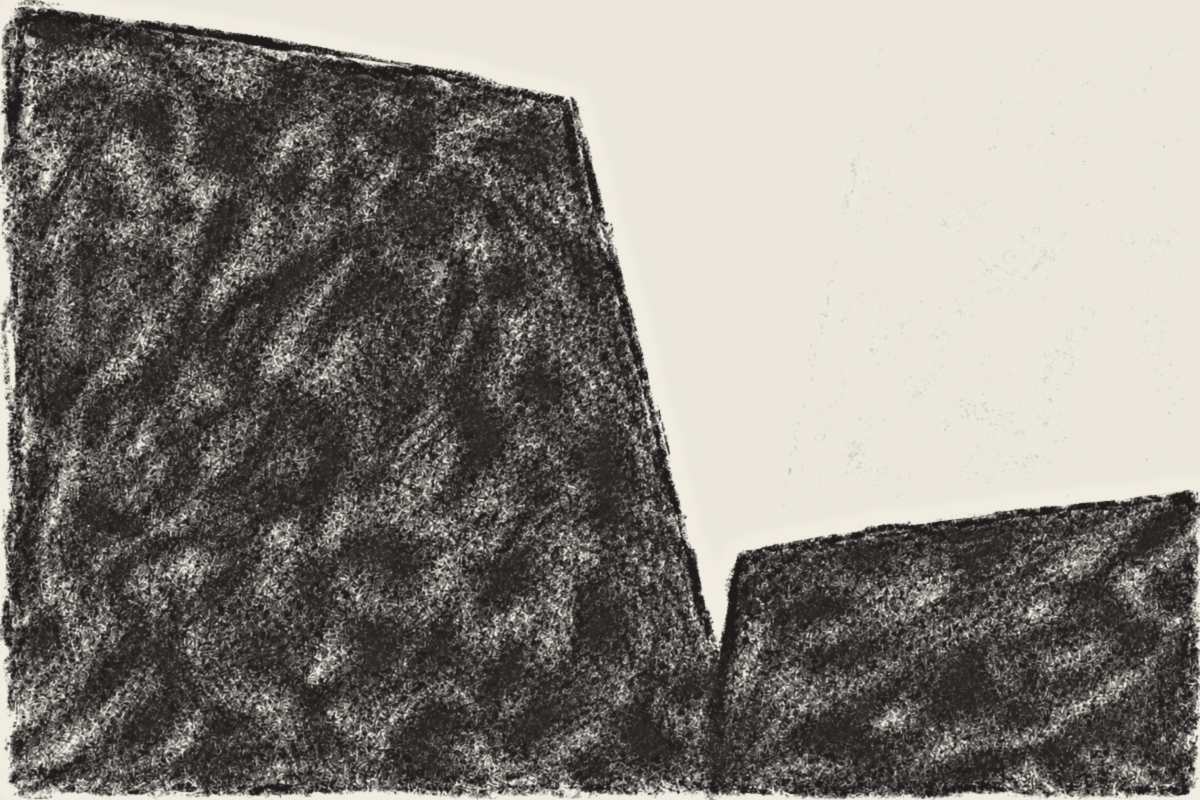
Gesture: promising. Two separated unequal gestures replace the tree-like silhouette. The changed relationship survives rendering, though the large mark is still made from visibly fragmented smaller marks.
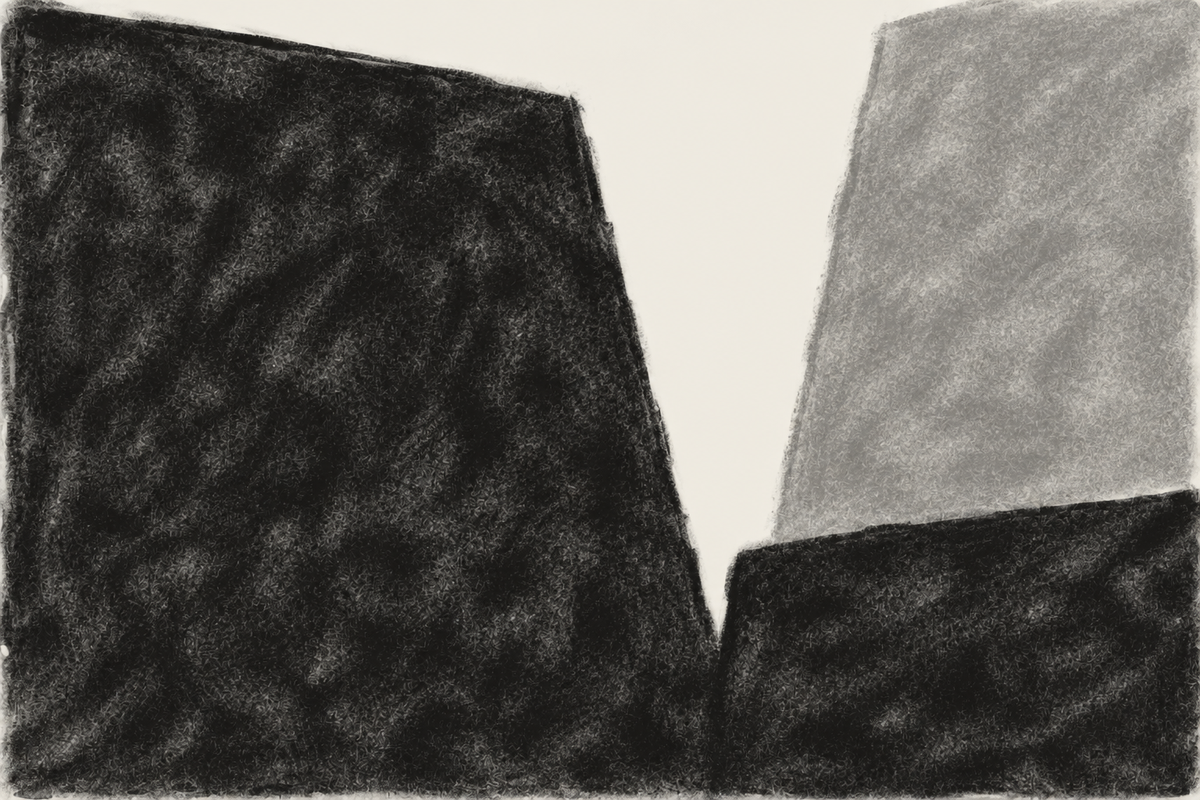
Field and interior: partial. The shapes and object relationships change, but an important gray plane and pale screen are lost. These are failures of the intended plan, even where the result looks cleaner.
The key engineering finding: the target-preparation stage already suppresses those tones before drawing starts. Its estimate of paper and its suppression of paper stains are useful assumptions for some scanned drawings, but can misread an intended gray field as paper. The renderer then adds its own fragmentation. More critique or more strokes alone cannot recover a plane removed from the target.
Read the three pairs
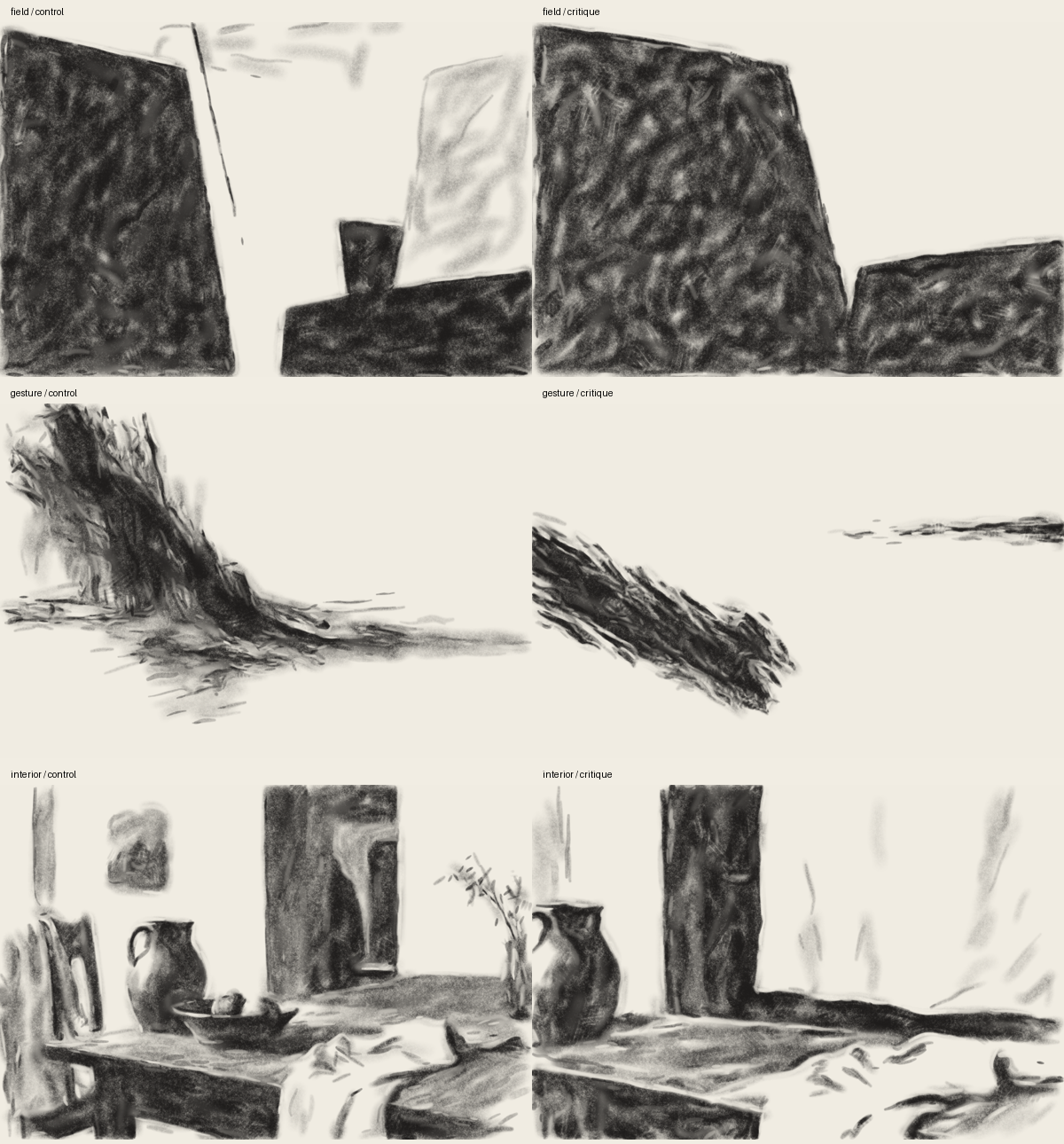
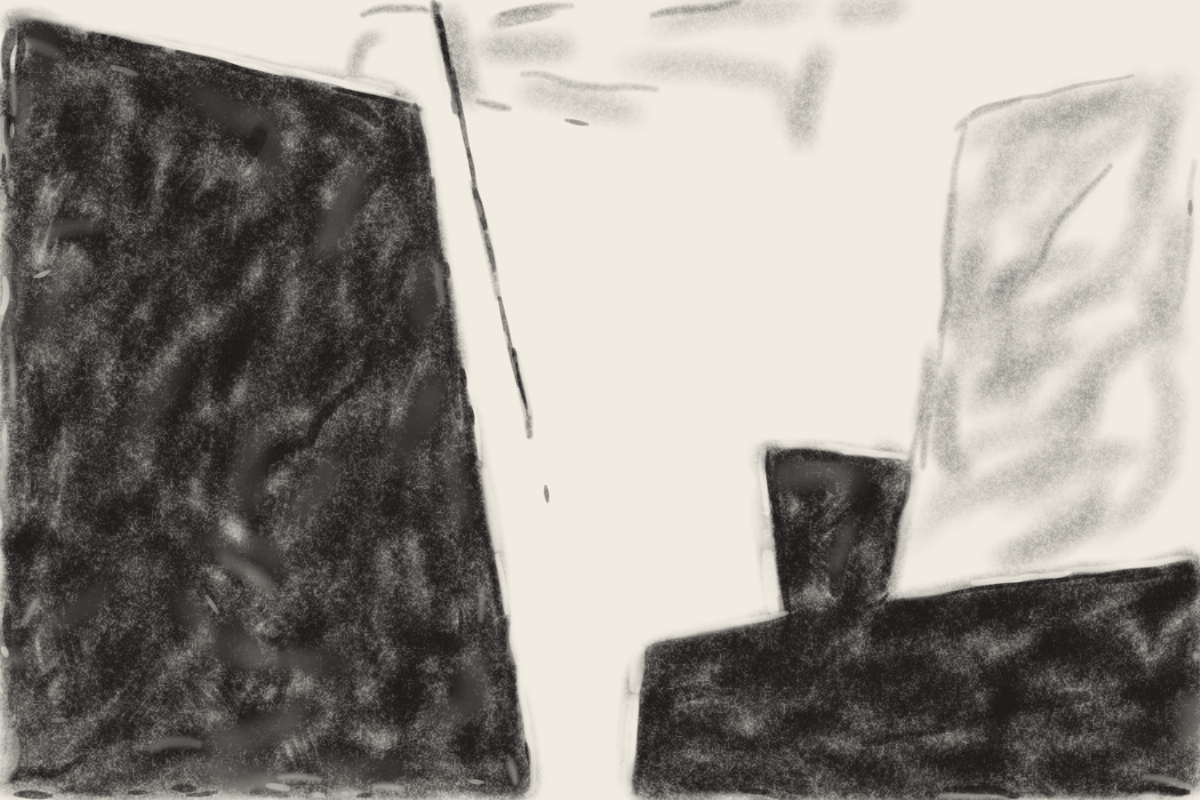
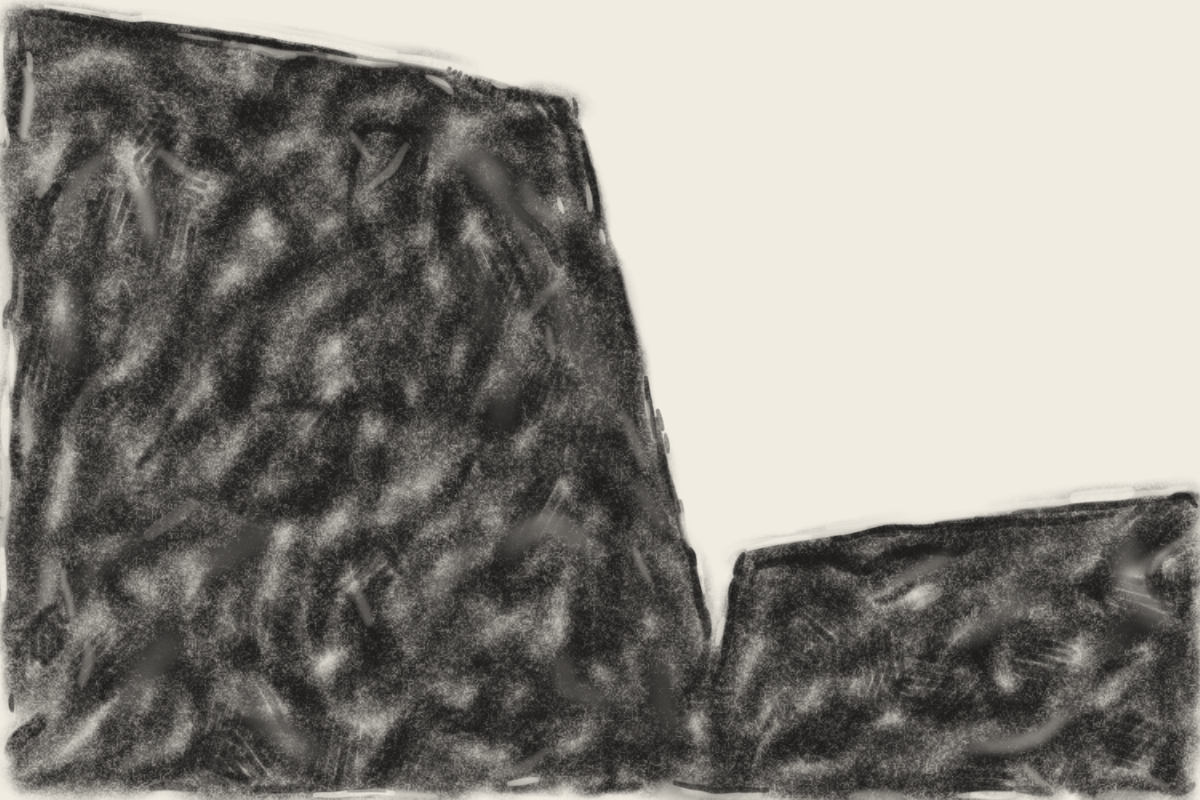
Where the translation changes
The middle image is a diagnostic visualization of the scalar target the painter actually receives. It is not a drawing. Compare it with the generator's plan before judging the native result.
Process and methods
- Adapt the existing flat-field, gesture and shallow-interior benchmark briefs to monochrome. This tests this charcoal instrument; it does not test colour.
- Use the built-in image generator to make one initial visual plan per brief, with no retries or best-of selection.
- Render each plan on a blank 1200 × 800 native canvas. The Hands planner looks at 600 × 400, with seed 11, restraint 0.55, and caps of 2,400 accepted marks or 26,000 attempts.
- Read the actual native control using VTL. Field: Δ compresses the interval. Gesture: Ω refuses the tree default, then Δ separates the gestures. Interior: Δ changes overlap and removes the still-life lineup.
- Edit each native control with the built-in image generator to make one revised external plan. The exact prompts include the observations and intended changes.
- Render each revised plan from blank under identical renderer settings. This tests transfer of a changed plan, not revision on the same persistent canvas.
- Replay serialized commands and compare exact scalar hashes. Inspect whole-image pairs and, where tone is lost, visualize the processed target.
All six native outputs are made from recorded marks, not pasted generator pixels. Generated plans, processed targets and native renders are distinct artifacts. No new production renderer or normalization change was introduced during the paired experiment.
What this comparison can and cannot tell us
The revised condition includes an extra generator edit and assistant judgment. The control does not receive an equal-cost neutral edit. There is one run per condition per brief, no blinded ratings and no independent critic. Differences therefore cannot isolate a critic-only causal effect or establish a success rate.
VTL readings were performed by the assistant. Default-carrying words were recorded after observing controls, not through a completed pre-generation Marrowline guardrail. This batch does not test the full proposed long-running studio protocol.
Identical caps do not mean identical work: the planner stopped early when it could not find useful marks in some cases. Those stops are execution checkpoints, not artistic Hold decisions. Errors against different targets are not artistic rankings.
| Output | Accepted | Attempts | Stop | Replay |
|---|---|---|---|---|
| field-control | 911 | 14000 | no-useful-actual-marks | Exact |
| field-critique | 863 | 14800 | no-useful-actual-marks | Exact |
| gesture-control | 1255 | 26000 | attempt-budget | Exact |
| gesture-critique | 1285 | 26000 | attempt-budget | Exact |
| interior-control | 1313 | 26000 | attempt-budget | Exact |
| interior-critique | 1063 | 21200 | no-useful-actual-marks | Exact |
Round complete; next work is specific
| Batch | Completed | Decision |
|---|---|---|
| Instrument control | 12 / 12 | Reliable basic controls; sampling and removal limits exposed |
| Construction | 12 / 12 | No blanket fine-scale advantage; reset/rebuild rejected at tested budget |
| Transfer | 6 / 6 | Structural movement demonstrated; tonal translation remains unreliable |
Recommended next batch: preserve intended tonal planes through target preparation, then rerender these same six plans with current and tone-preserving conversion. This reuses the evidence and avoids changing the artistic question while testing the instrument.
U03 stays at its retained stage-08 canvas. These six studies are independent tests, not replacements for that work.