A study wall, and a painting studio that argues back
A local system that reads a brief before any picture exists, lays out a wall of studies, argues a choice, and hands it to a painting simulator where every sitting is recorded and a painting is complete only when it survives a critic's test. The critic is built from the Visual Thinking Lens.
What it found
Critique alone did not move the defaults
Across two blinded series, the composition and the light were set in the first sitting. Critique did not move them (SR1); neither did making painters answer for every decision (SR2). The series
Permission moves what it names
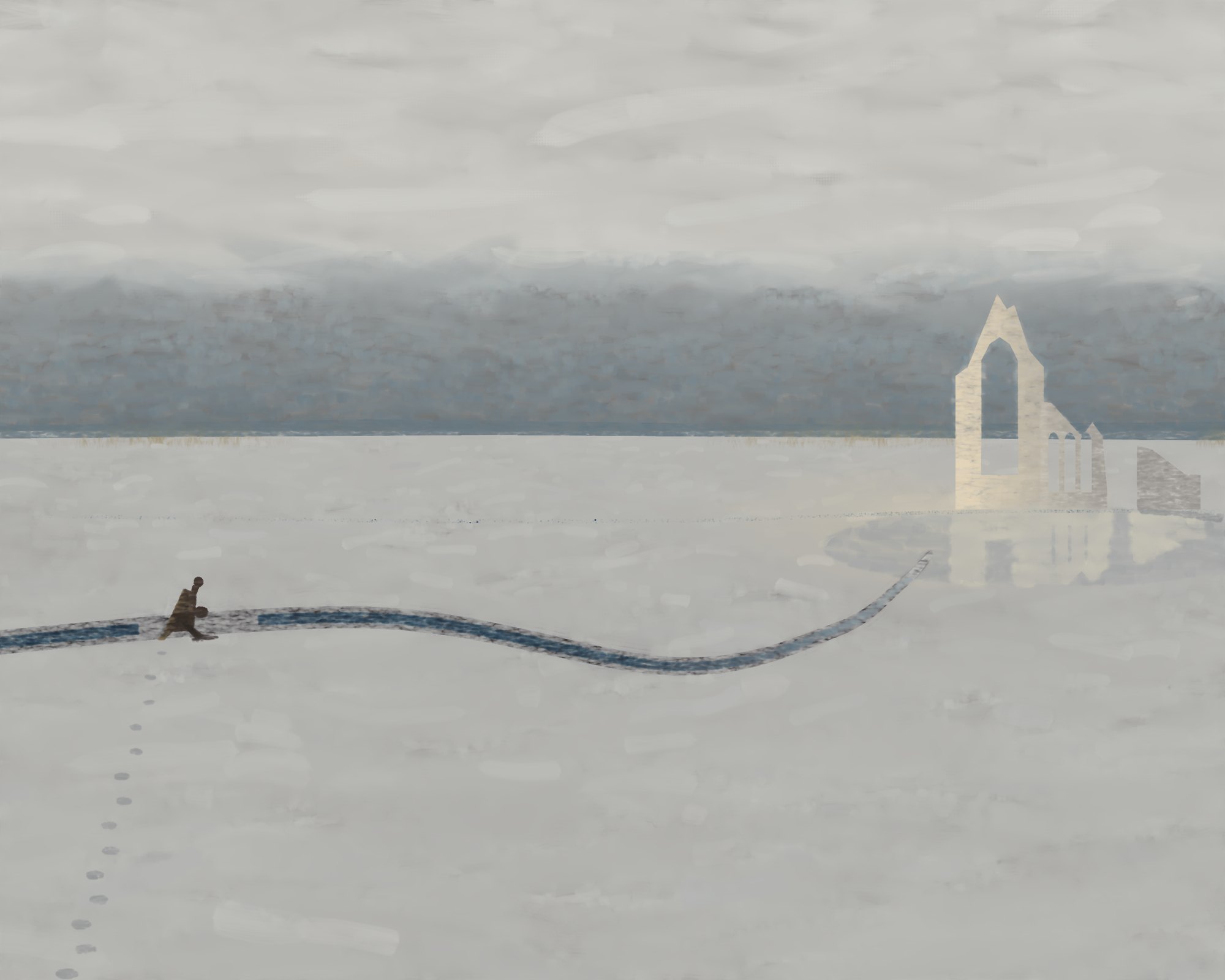
Given a refusal state from the Visual Thinking Lens, painters cut what they had already painted, even late: unnamed, the brook's route moved; aimed at the light, the light moved and the route did not. Refusal and critic modes
So the critic has two modes
Refine improves the painting that is there. Bold names one layer the painter may destroy, and the problem in it. On a second brief the critic used them in sequence: bold to cut, refine once the structure held. Between Customers
Every escape lands somewhere
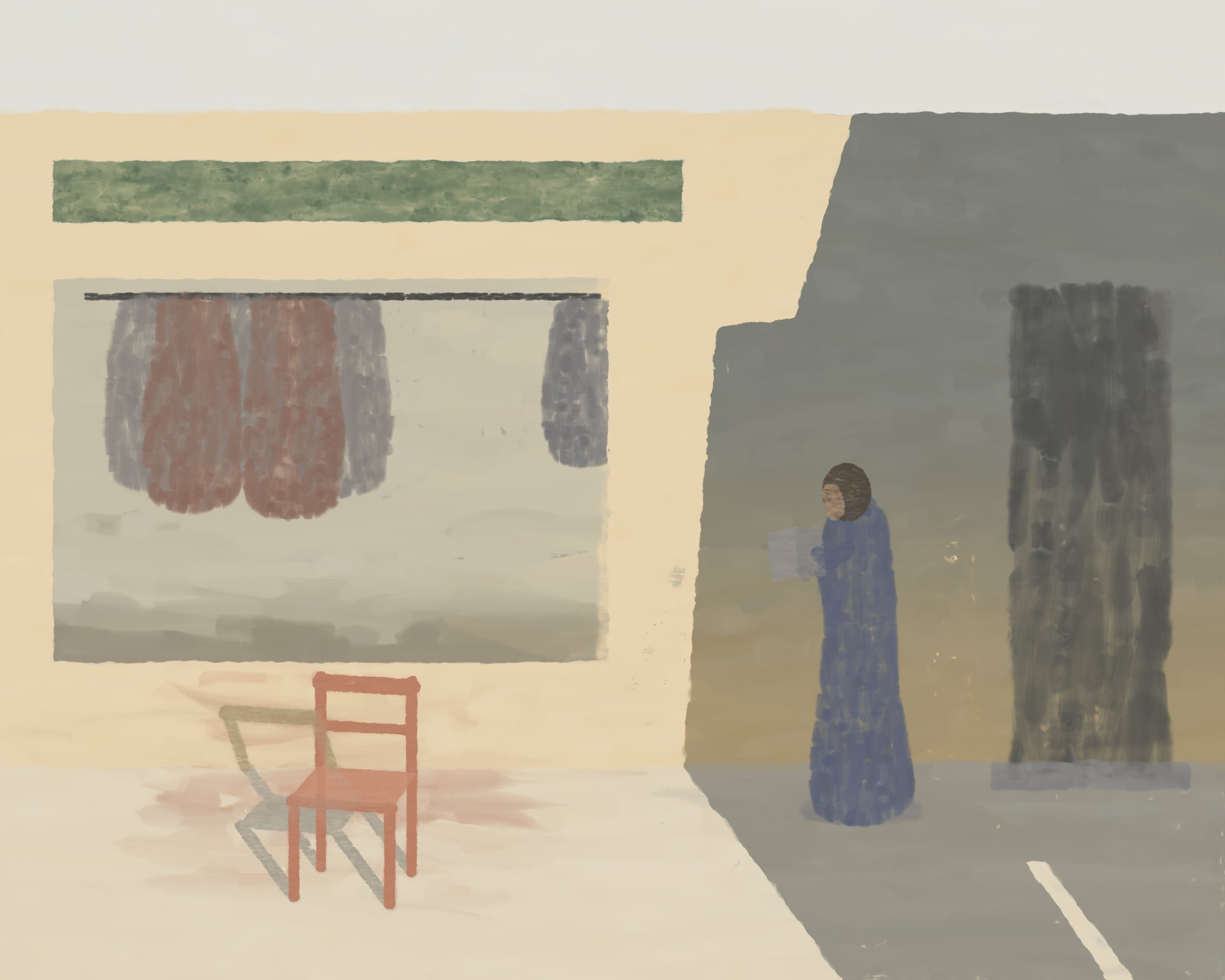
Each bold move arrived at the brief's next default: a textbook leading line, a ruin lit against a storm, a raking diagonal of shade. The critique after a bold one decides as much as the bold one does.
Read these as records of the paintings made, not as effects: at most three runs per condition, one painting per arm on the second brief. Painters and critics are Claude agents; Russell Parrish is the artist of record and the arbiter of how a brief reads.
Films
Labelled full-image checkpoints from the record, at twice speed; not a stroke-by-stroke recording.
The close
Plan your painting. Do the work. You can paint it, but its fate is likely sealed at conception. You can't see past your own work while you work. The only true way to change the painting's outcome is to do 20 drawings after your initial plan with a willingness to throw away all your work. Then repeat with another 20. Keep going until you find the seed. But word of caution, the reality might just be that you only ever draw and never paint again. The sooner you understand the real work is in the 20, the better painter you will become.Russell Parrish's art teacher, as Russell recalls it
Winter Brook closed on that note, and the next two experiments tested it: whether a painting's fate can be changed after conception, and whether a critic can name the problem the details have been painted around.
A sibling of Drawing Machine, which builds the hand; this builds what comes before the painting and around it.